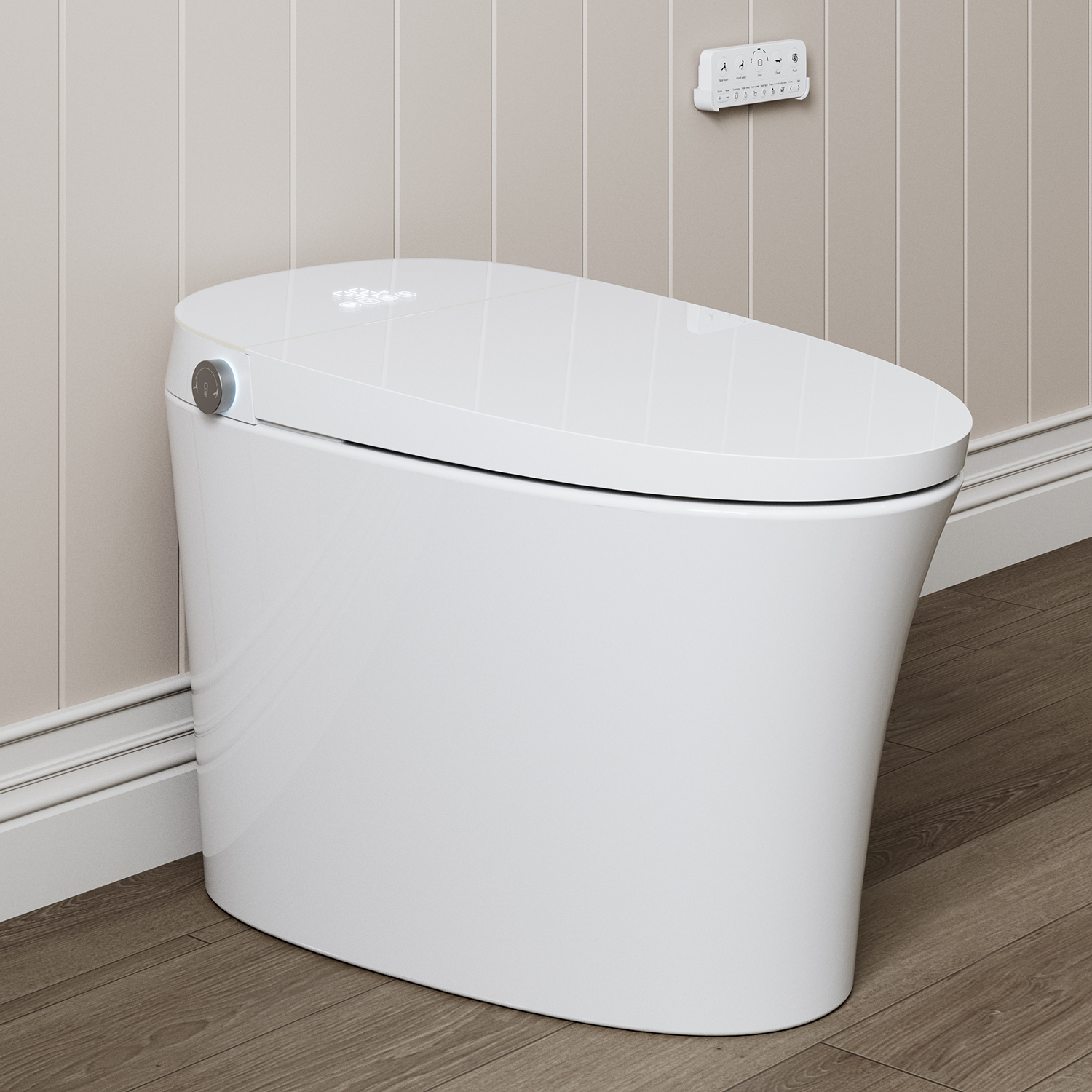
Upgrading your home with a luxury intelligent bathroom is an investment in comfort, but failing to check your home’s hidden plumbing specs can lead to an embarrassing disaster. Many American homeowners purchase a beautiful, minimalist toilet online, only to find that their home’s structural water pressure turns a premium fixture into a weak-flushing, frequently clogged headache. This issue is especially common on upper-floor master suites or in historic neighborhoods with legacy pipe infrastructure.
When choosing between a tankless smart toilet and a smart toilet with tank, understanding how water pressure affects these designs is crucial. In this guide, we will break down the structural differences, analyze US plumbing standards, and show you exactly how to pick the perfect model for a powerful, worry-free flush every single time.
The Tankless Smart Toilet: Sleek, Modern, but Pressure-Dependent
Tankless designs connect directly to your home’s main water supply, eliminating the traditional reservoir to achieve a stunning, low-profile aesthetic.
- Relies directly on your home’s main water line pressure.
- Requires a minimum of 30 to 35 PSI to operate.
- Eliminates bulky porcelain tanks for a minimalist look.
- Provides endless consecutive flushes with zero refill wait time.
The Smart Toilet with Tank Built In: The Low-Pressure Savior

Engineered to resolve structural plumbing limitations, a smart toilet with tank built in conceals a miniature water reservoir and a motorized pump completely inside its sleek frame.
- Stores water internally to guarantee a powerful flush every time.
- Operates flawlessly even in homes with low water pressure.
- Conceals the tank seamlessly inside the sleek ceramic body.
- Ideal for older US homes or upper-floor bathrooms.
Real-World Scenario: Solving the Second-Floor Struggle
“Mark and Linda bought a beautiful tankless smart toilet for their 1950s colonial home’s second-floor master bath remodel in Boston. Unfortunately, they didn’t realize their upper-floor water pressure sat at a weak 22 PSI. The new toilet experienced incomplete flushes and frequent clogs. Frustrated, they swapped it out for an model featuring a hidden internal tank system. Because the water reservoir fills quietly ahead of time, the built-in pump delivers a high-velocity siphon flush instantly, completely solving their low-pressure problem without sacrificing their bathroom’s modern look.”
How to Test Your Home’s Water Pressure Before Buying
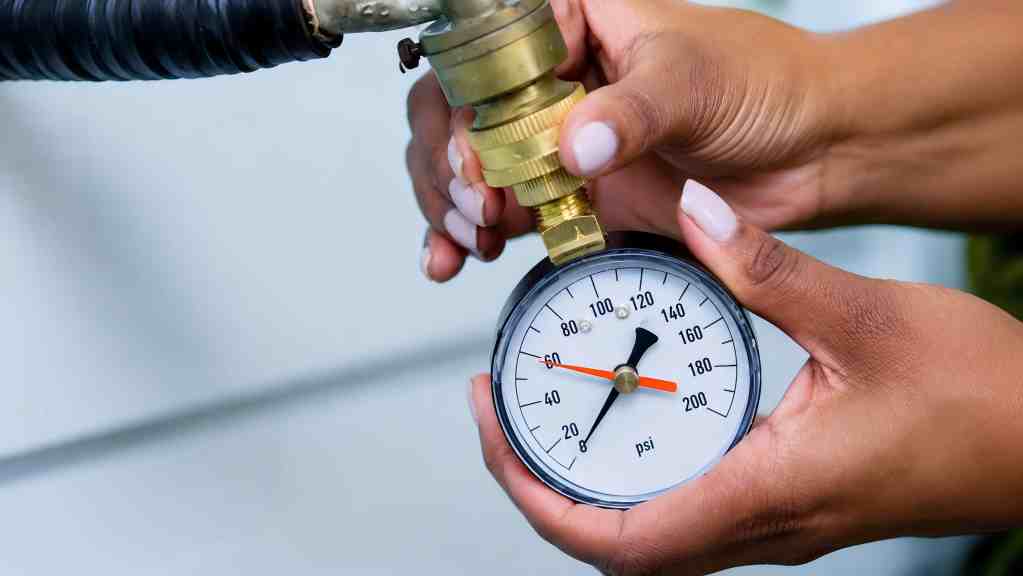
Dodge costly return shipping fees by completing a quick, simple diagnostic check on your bathroom lines before clicking purchase.
- Locate your main water pressure gauge near the shutoff valve.
- Ensure your plumbing lines meet the manufacturer’s PSI minimums.
- Consult a licensed plumber if your pressure sits below 30 PSI.
The Ultimate Verdict: Which Design Should You Choose?
Balancing architectural aesthetics with mechanical constraints ensures a successful long-term investment for your household budget.
- Choose tankless if you have modern plumbing and high pressure.
- Opt for a built-in tank if pressure fluctuates or drops.
- Pursuing a good flushing effect, choose a smart toilet with tank and a MAP value of not less than 600g.
- Both designs offer heated seats, bidets, and auto-flushing luxury.
Frequently Asked Questions
Q: Can I install a tankless smart toilet in an old American house?
A: Yes, but you must measure your water pressure first. Older homes often have corroded pipes or lower municipal pressure. If your pressure is below 30 PSI, an integrated model with a hidden tank is much safer.
Q: Does a smart toilet with a tank look bulky like a traditional toilet?
A: Not at all. Premium models hide the tank completely inside the one-piece ceramic skirt. It maintains the exact same sleek, low-profile, minimalist look as a completely tankless unit.
Q: What happens if someone flushes while the shower is running?
A: With a tankless model, a sudden pressure drop might cause a weak flush. A smart toilet with a built-in tank avoids this entirely by using its stored reservoir to power the flush independently.
Secure Your Bathroom Remodel Strategy
Finding the right mechanical design is the true foundation of long-term bathroom satisfaction.
If you are unfamiliar with what basic automation features should be included in an upscale unit, review our foundational guide: What is a Smart Toilet? The Modern Homeowner’s Guide to Intelligent Bathrooms. Ready to lay out the electrical work for your new setup? Ensure your layout follows strict safety protocols by reading Water Meets Electricity: Why GFCI Outlets and Wet-Zone Safety Are Non-Negotiable for Your Smart Toilet.
[Flush with confidence. Explore Uncle Brown’s High-Power Smart Toilet Collection today!]