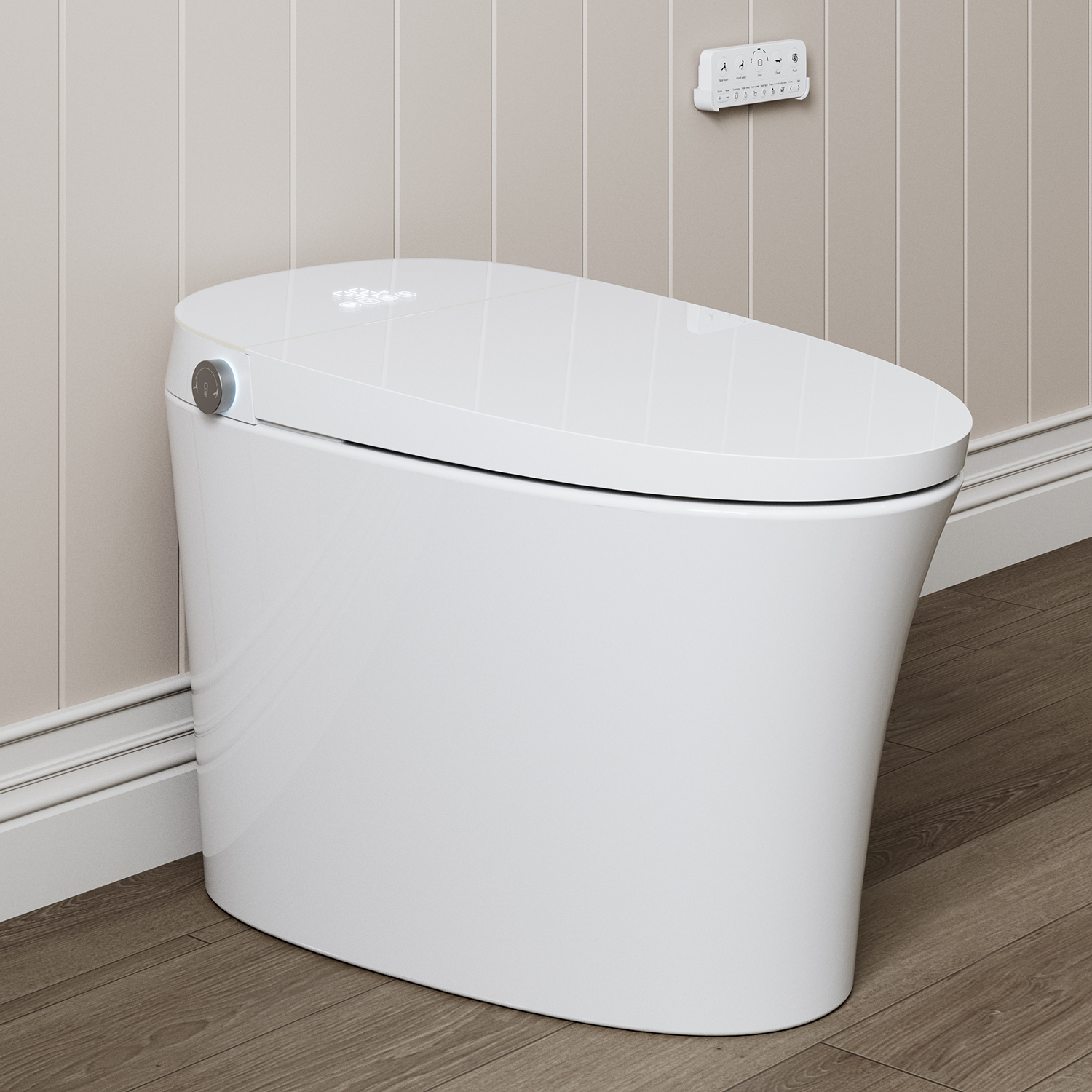
Upgrading your master bathroom with a luxury smart toilet brings unparalleled comfort, but it also introduces a primal fear for many American homeowners: mixing high-voltage electricity with water. The thought of a short circuit in a wet zone, costly code violations during a home appraisal, or an electrical shock can stall even the most exciting remodeling plans. You don’t have to compromise peace of mind for comfort. In this safety guide, we will break down the essential smart toilet electrical requirements, demystify National Electrical Code (NEC) rules for GFCI outlets, and explain the advanced anti-leakage systems built into Uncle Brown models. Read on to ensure your luxury upgrade is 100% safe, code-compliant, and secure for your family.
The Golden Rule: Demystifying the GFCI Outlet

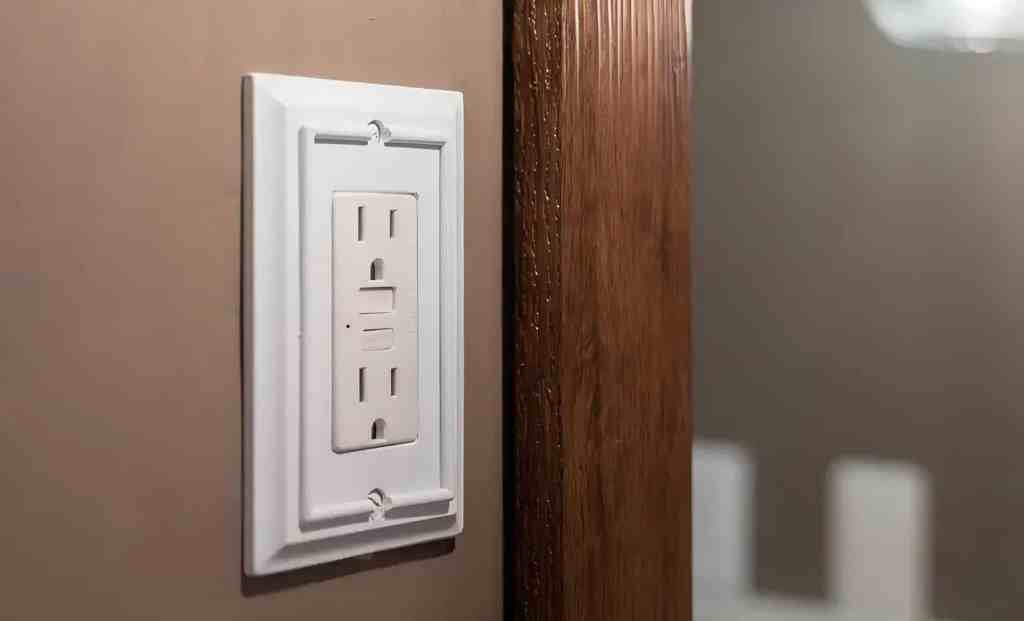
Ground Fault Circuit Interrupters (GFCI) act as the ultimate safety net for your smart bathroom infrastructure by monitoring electricity flow continuously.
- Shuts off power instantly during current spikes.
- Mandatory by the NEC code for all bathrooms.
- Prevents lethal electrical shocks near water sources.
- Requires a dedicated 15A or 20A circuit.
Understanding NEC Codes for Smart Toilet Placement
Navigating the National Electrical Code guarantees your remodel passes municipal inspections and maintains your home’s resale equity value.
- Proper distance shields wires from direct water splashes.
- Keeps installation clean without ugly extension cords.
- Guarantees your home passes future resale inspections.
Built-In Protection: How Uncle Brown Safeguards Your Home
While exterior wall components provide infrastructure backup, our internal engineering integrates multiple-layered defense mechanisms to ensure absolute biological and electrical safety.
- Triple-insulated internal wiring prevents structural shorts.
- IPX4 waterproof rating resists heavy water splashes.
- Automatic thermal shut-off prevents seat overheating.
- Eco-friendly grounding wires redirect rogue currents safely.
Pre-Installation Checklist for Homeowners
Executing these clean prep steps before your unit arrives protects your plumbing budget from unexpected, costly retrofitting surprises.
- Hire a licensed electrician for dedicated line installation.
- Verify the outlet sits on the correct toilet side.
- Test your existing GFCI breakers before mounting fixtures.
- Confirm voltage matches US standard 110V-120V specifications.
Frequently Asked Questions
Q: Can I use a regular outlet with a smart toilet?
A: No. Standard outlets lack the rapid-shutoff capabilities needed for wet zones. The National Electrical Code (NEC) strictly mandates GFCI-protected outlets in bathrooms to eliminate shock hazards when using high-powered smart appliances.
Q: What does an IPX4 waterproof rating actually mean?
A: An IPX4 rating means the smart toilet is certified to withstand water splashes from any direction. This ensures that heavy bathroom humidity, condensation, or accidental spray from cleaning will not damage the internal electrical systems.
Q: Should the smart toilet be on its own dedicated circuit?
A: Yes, highly recommended. Smart toilets feature high-draw components like instant water heaters and heated seats. A dedicated 15-amp or 20-amp circuit prevents annoying circuit breaker trips when other appliances, like hairdryers, are running simultaneously.
Final Thoughts
Water and electricity can coexist beautifully when backed by rigorous testing and code compliance. By focusing on certified equipment and robust grounding mechanics, your modern home renovation remains both ultra-luxurious and completely secure.
To discover more about our extensive regulatory design validations, review our comprehensive 2026 US Smart Toilet Buyer’s Guide: The Triple Crown of Safety, or explore how we optimize energy management in Is Your Smart Toilet Actually Eco-Friendly? The Truth Behind CEC Water Standards.
[Secure your bathroom upgrade. Explore Uncle Brown’s Certified Safety Collection today.]